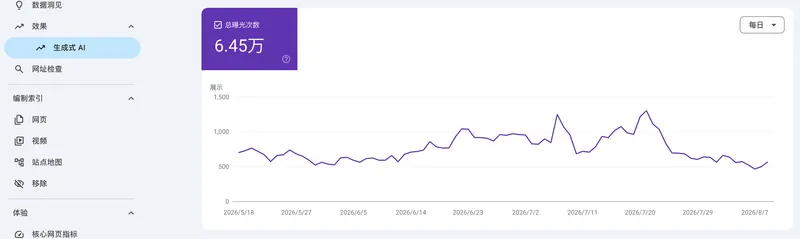
I suddenly noticed that my website seems to receive very little traffic from Grok, so I decided to look into it. What I found is that Grok really is a bit different: common SEO and GEO methods don’t work for it.
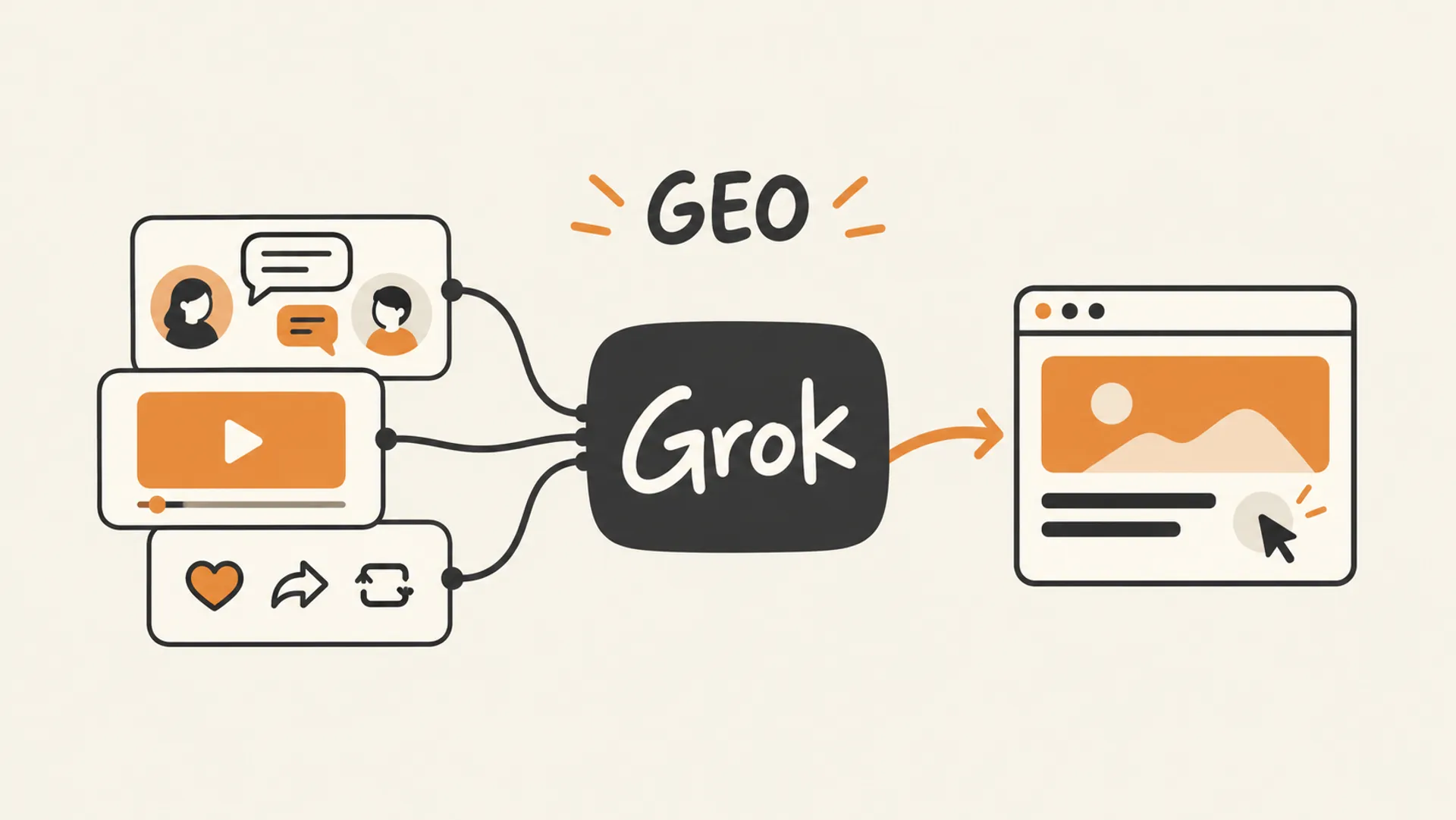
Grok places more importance on user-generated content (UGC), not just on its own x.com, but also on content users publish across various platforms. It also pays close attention to engagement with that content.
So, if you want your website or brand to earn more citations and mentions in Grok, managing your accounts across platforms becomes a priority.
And that means more than just social platforms.
Comparing the Models
Here is a summary I asked Grok to put together:
| Dimension | Grok | GPT | Gemini | Claude |
|---|---|---|---|---|
| Strongest use cases | Real-time trends, X data, creative work with fewer restrictions, humorous conversations | General-purpose tasks, agents, tool ecosystem, images/voice | Multimodality (video), Google ecosystem, long documents, value and speed | Coding, agents, long-form writing, precise instruction following |
| Weaknesses | Slightly lower overall benchmarks; 500K context (a bit smaller) | Highest prices; relatively strict content restrictions | Sometimes has a noticeable “Google flavor”; flagship availability is phased | No image generation; tight free usage limits; relatively conservative |
| Context window | About 500K | About 1M–1.05M | About 1M | About 1M |
| API pricing (approximate, per million tokens) | $2 / $6 | Astra $10/$50; Sol $2/$10 | Flash $0.75/$3.75; Argon $2/$10 (promotional) | Opus $4/$20; Sonnet $2/$10 |
| Entry-level subscription | SuperGrok about $30/month | Plus $20/month | AI Pro about $20/month | Pro $20/month |
| Multimodality | Text + images (including generation) | Strong (excellent image generation and voice) | Strongest (native video) | Text + image input; no native image generation |
| Real-time information | Native real-time X feed (unique) | Web search | Google Search | Web search |
Grok’s Preferences
Core Characteristics
Grok pulls information from two real-time sources:
- Real-time X (Twitter) posts
- Open web search
It automatically decides which source to emphasize based on the type of question, then combines both in its answer and tries to provide citations.
The Most-Cited Websites
According to Ahrefs Brand Radar’s June 2026 analysis of approximately 1.9 million US queries (one of the most authoritative public datasets; original article: Ahrefs: Grok’s Most-Cited Domains), the domains Grok cites most often are:
| Rank | Domain | Share of mentions |
|---|---|---|
| 1 | 16.3% | |
| 2 | YouTube | 15.1% |
| 3 | 13.9% | |
| 4 | 5.9% | |
| 5 | Quora | 5.5% |
| 6 | Amazon | 5.0% |
| 7 | TikTok | 4.8% |
| 8 | Wikipedia | 3.4% |
| … | x.com | About 1.4% |
To sum up, Grok clearly favors user-generated content (UGC) and community platforms. Reddit, YouTube, and Facebook together account for about 45%. It relies less on traditional authoritative media and official brand websites than other mainstream models do.
The Weight of X Posts Themselves
- For questions about current events, trending topics, and sentiment, X posts can account for 34–47% of citations.
- Posts from verified accounts are about 2.8 times as likely to be cited as posts from unverified accounts with comparable engagement.
- Engagement (likes, reposts, replies) is an important ranking signal. Posts with high engagement are more likely to be selected.
- The real-time window is short (usually the most recent 48–72 hours).
Even if a brand’s official account doesn’t post, Grok will still treat extensive discussion about it on X by others (users, influencers, media) as an important signal.
Preference Summary (in Order of Priority)
Grok prefers the following types of sources:
- Community discussions with high engagement
- Video content
- Recent content
- Firsthand accounts from credible accounts
- Review/marketplace platforms
- Traditional news, Wikipedia, and official documentation (useful, but their relative weight is less dominant)
It is relatively less interested in:
- Official brand websites alone (unless the content is particularly strong and widely cited)
- Outdated static pages
- Social content with low engagement and low credibility
Note: This article is based on personal research and has not yet been validated.
独立产品人日记
Notes on indie products, AI tools, growth, and engineering.